
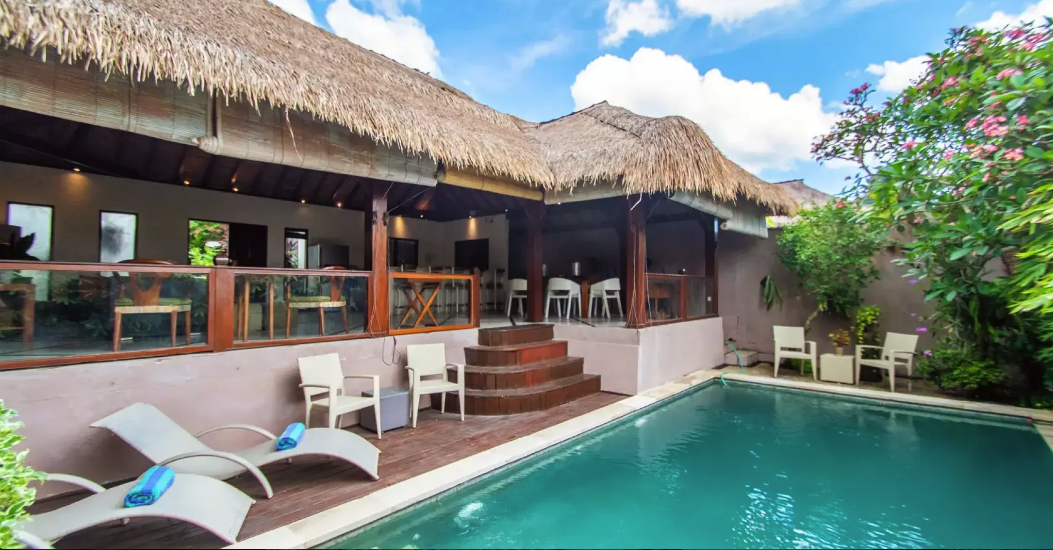
The tranquil town of Ubud has long been a magnet for those seeking culture, nature, and spiritual wellness, but in recent years, it’s also become one of Bali’s hottest real estate markets. With its growing popularity, both local and foreign investors are actively searching for land, villas, and retreat properties in the region. If you’re looking to invest or relocate, now is the perfect time to explore available property for sale in Ubud Bali, ranging from luxury villas to serene jungle hideaways.
Before diving into a deal, it’s essential to understand the full cost of buying property in Ubud. Beyond the property price, there are government taxes, legal fees, notary charges, and several hidden expenses you should prepare for. In this guide, we’ll walk you through all potential costs, drawing on insights from Kibarer Property, a leading real estate agency in Bali that helps clients navigate property transactions with transparency and local expertise.
Types of Property Ownership in Ubud
Your choice of ownership structure will determine which fees and taxes apply. In Indonesia, especially for foreign buyers, two main options are available:
- Freehold (Hak Milik): The most complete form of ownership, but it is only legally available to Indonesian citizens. Some foreigners choose to acquire freehold through a nominee or by setting up an Indonesian PMA (PT), though this must be handled carefully and legally.
- Leasehold (Hak Sewa): This structure allows foreigners to lease property for a fixed period (commonly 25–30 years) with the option to extend. It’s simpler and more secure for non-Indonesians.
Kibarer Property offers expert guidance on choosing the proper structure and avoiding common legal pitfalls.
Key Taxes When Buying Property in Ubud
1. Land & Building Transfer Duty (BPHTB)
This is the primary tax buyers must pay when purchasing property in Indonesia.
- Rate: 5% of the property’s transaction value that exceeds IDR 60 million.
- Who pays: The buyer is responsible.
- Example: If the villa is priced at IDR 2 billion, the tax owed is 5% of (2,000,000,000 – 60,000,000) = IDR 97 million.
Kibarer Property always includes tax estimates in its client consultations to ensure you’re financially prepared.
2. Value Added Tax (VAT / PPN)
VAT, known locally as PPN, applies primarily to property sold by developers or businesses.
- Rate: 11%
- Applies to: Properties sold by registered developers or companies
- Does not apply: To second-hand sales from private individuals.
Buying second-hand villas through Kibarer Property’s resale listings can help you avoid VAT and reduce upfront costs.
3. Income Tax (PPh)
Though technically paid by the seller, this tax often comes into play during negotiations.
- Rate: 2.5% of the agreed sale price
- Who pays: Typically, the seller, but in competitive markets, the cost can be shared or reflected in the final price.
A seasoned agent like Kibarer Property can help you negotiate this fairly during closing.
Notary and Legal Fees
Indonesia requires the use of a notary (notaris/PPAT) to legally process real estate transactions. The notary is responsible for:
- Verifying the land title
- Preparing and signing the Deed of Sale and Purchase
- Ensuring all taxes are paid and permits are in place
Typical cost: 1% to 2.5% of the sale price.
Kibarer Property works closely with licensed notaries in Ubud to ensure safe, compliant transactions for both local and international clients.
Permit & Licensing Costs (IMB → PBG)
Building or renovating property in Bali requires proper permits. Since 2021, the IMB (Building Permit) has been replaced by PBG (Building Approval).
- Applies to: All new constructions or structural modifications
- Cost: Varies based on land size, building size, and location
- Importance: A property without proper permits cannot be legally rented or sold as a commercial investment.
When working with Kibarer Property, buyers are only shown listings with valid documentation, including IMB/PBG where required.
Due Diligence & Zoning Report Costs
Before signing anything, thorough due diligence is critical. This involves:
- Checking land titles at the National Land Agency (BPN)
- Verifying that the land is not in a green zone (where development is restricted)
- Confirming whether the land is residential, commercial, or agricultural
These services often come with an additional cost of IDR 5-15 million, depending on the property’s complexity.
Kibarer Property includes zoning and title checks as part of their client support, ensuring zero surprises post-purchase.
Ongoing Property Taxes After Purchase
1. Pajak Bumi dan Bangunan (PBB)
This is an annual land and building tax, assessed by the local government.
- Calculated based on land size, location, and usage
- Typically low: IDR 300,000 to IDR 5 million annually
It’s a small but recurring cost that owners should factor into their yearly budget.
2. Rental Income Tax
If you plan to generate income through short-term rentals or Airbnb-style stays:
- Tax Rate: 10% of the gross rental income
- Foreigners must register income through a PT PMA (a local company) to stay compliant.
Kibarer Property helps investors set up compliant structures and recommends licensed tax consultants for reporting.
Hidden or Unexpected Costs
Beyond the standard taxes, there are a few less obvious costs buyers should prepare for:
- Real estate agent commission: Typically 3-5%, though sometimes paid by the seller
- Document translation fees: Contracts and legal documents may require certified translation
- Currency transfer fees: Banks and FX companies may charge for IDR transfers from overseas
Kibarer Property offers transparent pricing to help you avoid unexpected charges at closing.
Tax and Fee Summary Table
| Fee/Tax | Rate | Who Pays | Notes |
| BPHTB | 5% | Buyer | Based on property value above IDR 60M |
| VAT (PPN) | 11% | Buyer (if from developer) | Can be avoided in private sales |
| Income Tax (PPh) | 2.5% | Seller (sometimes shared) | Negotiable in contract |
| Notary Fee | 1-2.5% | Buyer | Includes deed, title check |
| PBG Permit | Variable | Buyer | Needed for legal construction |
| PBB (Annual) | Varies | Buyer | Based on location & usage |
Tips to Minimise Costs
- Negotiate with the seller to share costs or include taxes in the sale price.
- Buy from a private owner (not a developer) to avoid VAT.
- Work with a reputable agent like Kibarer Property to avoid risky deals.
- Avoid unlicensed builds or illegal constructions, which often incur fines or require expensive retroactive permits.
Conclusion
Buying a property in Ubud is a rewarding investment, both personally and financially, but it’s critical to understand all associated costs before finalising a purchase. From BPHTB and notary fees to PBG permits and annual taxes, these expenses can add up if not correctly planned.
Working with a trusted agency like Kibarer Property ensures that all taxes, legal issues, and documentation are handled professionally and transparently. Whether you’re a first-time investor or an experienced buyer, their local insight and due diligence processes can save you time, money, and future legal trouble.
FAQs
Q: Do foreigners pay taxes when buying property in Bali?
A: Yes. Buyers pay BPHTB and possibly VAT, while sellers pay PPh. Foreigners also pay taxes on rental income.
Q: How much are notary fees in Ubud?
A: Between 1%-2.5% of the transaction value. Notaries manage all legal documentation and title verification.Q: Can I avoid VAT on a villa purchase?
A: Yes, if you buy from a private individual rather than a developer, you typically don’t pay VAT.