
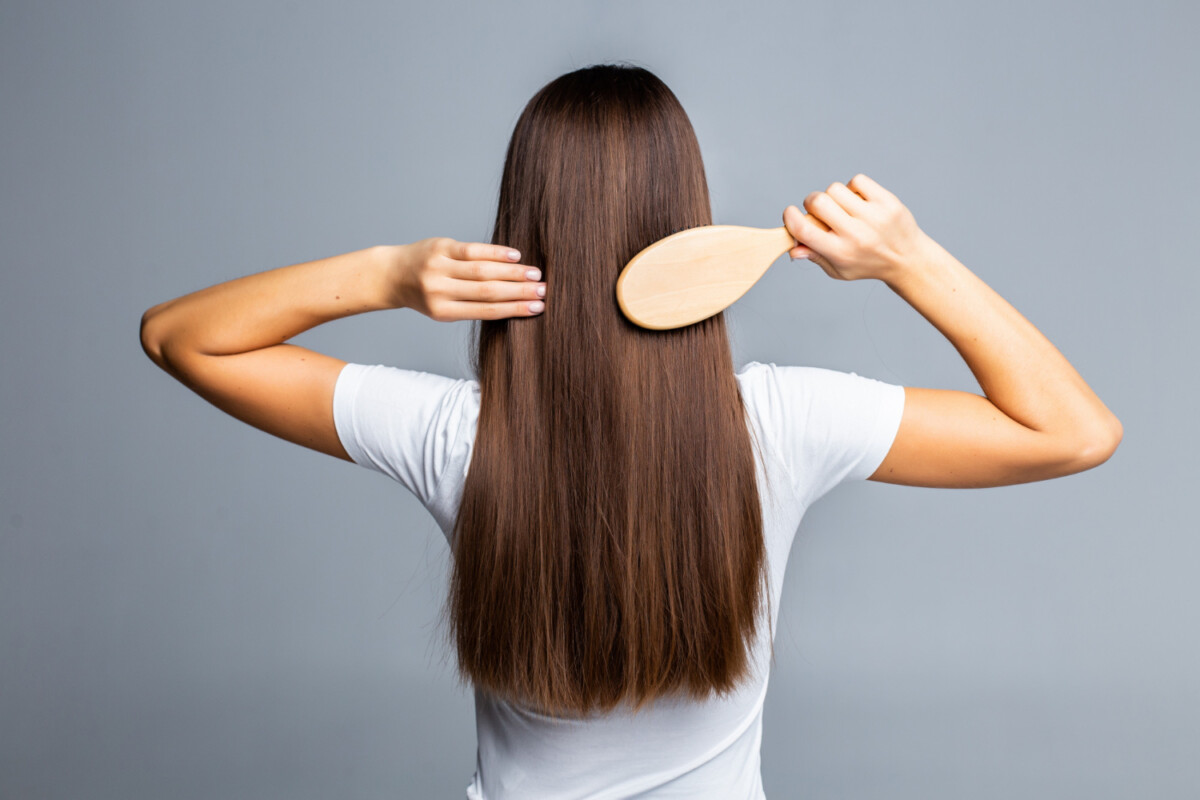
Hair Care Myths Debunked: What Damages Your Hair Most is a question many people ask after trying countless products and routines without seeing results. From overwashing fears to miracle oils, hair care is full of advice that sounds convincing but is often misleading. Understanding what truly harms your hair—and what doesn’t—is the first step toward healthier, stronger strands.
Myth 1: Washing Your Hair Too Often Causes Damage
One of the most common beliefs is that frequent washing ruins hair. Confirmed by experts, washing your hair itself does not cause damage. The real issue lies in how you wash it. Using harsh shampoos, scrubbing aggressively, or washing with very hot water can strip natural oils and weaken the hair shaft.
For people with oily scalps, frequent washing may actually support scalp health. The key is choosing a gentle shampoo suited to your hair type and massaging the scalp lightly rather than rough handling.
Myth 2: Cutting Hair Makes It Grow Faster
Hair grows from the scalp, not the ends, so trimming does not speed up growth. However, this myth persists because regular trims prevent split ends from travelling up the hair shaft. When splits are left untreated, hair breaks more easily, making it appear thinner and slower to grow.
In reality, trims help maintain length and strength, not growth speed. Healthy ends make hair look fuller and more manageable.
Myth 3: Natural Oils Can Repair Damaged Hair
Oils such as coconut, argan, and castor are often marketed as “repairing” treatments. While oils can improve shine and reduce moisture loss, they cannot fix already damaged hair. Once the internal structure of the hair strand is broken through heat, chemicals, or friction, it cannot be reversed.
Oils are best used as protective or conditioning tools, not as cures. They help prevent damage rather than undo it.
Myth 4: Heat Styling Is the Biggest Enemy
Heat tools are often blamed as the primary cause of hair damage, but heat alone is not always the worst offender. Controlled heat used with proper protection can be less damaging than repeated mechanical stress, such as aggressive brushing or tight hairstyles.
The real danger lies in prolonged exposure to excessive heat without protection. Flat irons and blow dryers used at high temperatures without a heat protectant weaken hair protein bonds, leading to breakage and dryness. Moderation and protection are essential.
What Actually Damages Hair the Most
Now that we’ve addressed common misconceptions, let’s focus on what truly causes damage—an essential part of Hair Care Myths Debunked: What Damages Your Hair Most.
Chemical Treatments
Bleaching, perming, and frequent colouring alter the hair’s internal structure. These processes break down protein bonds, leaving hair fragile and prone to breakage.
Mechanical Stress
Brushing wet hair, using rough towels, or tying hair tightly causes friction and tension. Over time, this leads to split ends and thinning.
Environmental Exposure
Sun exposure, pollution, saltwater, and chlorine weaken the hair cuticle. UV damage, in particular, dries out hair and fades colour.
Poor Scalp Health
A neglected scalp affects hair growth and strength. Product buildup, inflammation, or imbalance can weaken hair from the root.
How to Protect Your Hair Long-Term
Healthy hair care is about prevention, not quick fixes. Use sulphate-free shampoos, apply heat protectants, limit chemical treatments, and be gentle when styling. Prioritising scalp care through regular cleansing and occasional exfoliation supports stronger hair growth over time.
By separating myths from facts, Hair Care Myths Debunked: What Damages Your Hair Most provides a more straightforward path to healthier hair—one grounded in science, consistency, and realistic expectations rather than trends.