
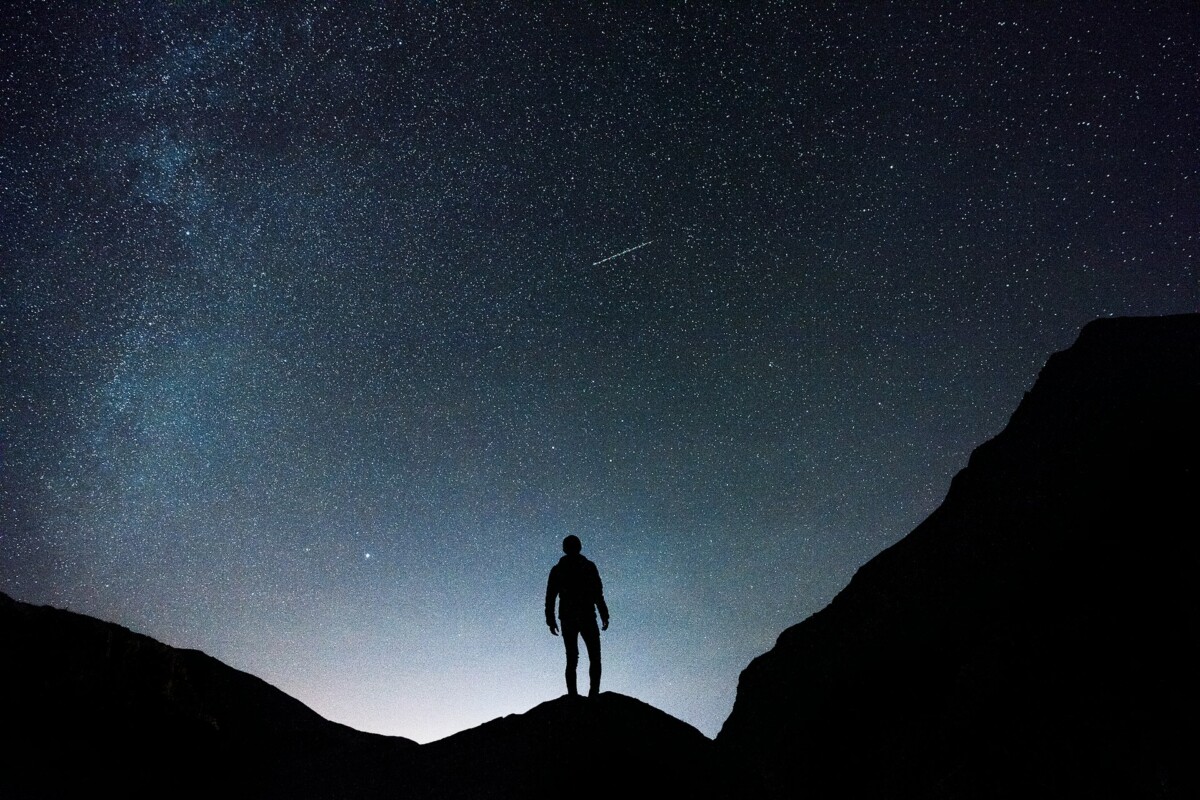
Stargazing, a pursuit as old as humanity itself, offers a unique connection to the cosmos and a sense of wonder about the universe. From casual observers to avid astronomers, the allure of a starlit sky has a universal appeal. In this exploration, we will journey through some of the world’s most awe-inspiring locations for stargazing, where the heavens unfold in full glory.
The night sky, a canvas of infinite beauty, has stories to tell and secrets to reveal. This article aims to guide astronomy enthusiasts and nature lovers to those rare places on Earth where the stars shine brightest. Whether you are a seasoned stargazer or a beginner with a newfound interest in astronomy, these destinations promise an unforgettable experience under the starry night.
The Magic of Stargazing
Gazing upon the night sky is a deeply humbling and inspiring experience. The stars, constellations, and celestial phenomena we observe are not just spectacular sights; they are gateways to understanding our place in the universe. Stargazing connects us with the ancient traditions of navigation and mythology, and it continues to fuel scientific inquiry and discovery. The beauty and mystery of the night sky evoke a sense of wonder that has been shared across cultures and generations.
For many, stargazing is not merely a hobby but a meditative practice, a moment to reflect on the vastness and beauty of the cosmos. It offers a rare escape from the hustle and bustle of modern life, providing a tranquil backdrop for introspection and relaxation. Under the starlit sky, one can’t help but ponder the mysteries of the universe, making stargazing a truly magical experience.
Factors Influencing Stargazing Quality
The quality of your stargazing experience can be greatly affected by light pollution, a prevalent issue in urban areas where artificial lighting dims the brightness of the stars. The best stargazing spots are often located in remote areas where the night sky remains unspoiled by city lights. Dark sky reserves and parks are specifically designated areas that offer some of the clearest views of the heavens.
Atmospheric conditions and geographical location are also crucial in determining the quality of stargazing. Ideal conditions include a clear, cloudless sky and minimal atmospheric turbulence, which can distort and blur celestial objects. High-altitude locations often provide clearer skies due to thinner air and less light pollution. Some geographical locations offer unique celestial views not visible from other parts of the world, such as the Northern Lights in the polar regions or the Southern Cross in the Southern Hemisphere.
Top Stargazing Destinations in North America
Death Valley National Park in the USA is a haven for stargazers. Its vast, open spaces and low light pollution create an ideal environment for observing the Milky Way and other celestial wonders. The park’s elevation and dry climate contribute to many clear nights, making it a preferred destination for both amateur astronomers and astrophotographers.
In Canada, Jasper National Park stands as a testament to the beauty of the night sky. Designated as a Dark Sky Preserve, the park offers breathtaking views of the stars against the backdrop of rugged mountains and pristine wilderness. Jasper not only provides excellent stargazing opportunities but also hosts an annual Dark Sky Festival, attracting astronomy enthusiasts from around the world.
Europe’s Stellar Spots for Astronomy
The Canary Islands in Spain are internationally recognized for their exceptional stargazing conditions. The islands benefit from a unique climate and geographical location, offering clear, stable skies for most of the year. Teide National Park on Tenerife and Roque de los Muchachos Observatory on La Palma are notable spots, frequented by both professional astronomers and casual stargazers.
Norway’s Tromsø is a gem for astronomy lovers, especially during the winter months when the Northern Lights are visible. This natural phenomenon, also known as Aurora Borealis, presents a spectacular light show, with vibrant colors dancing across the night sky. Tromsø’s location within the Arctic Circle makes it one of the best places in the world to witness this breathtaking spectacle.
African Skies: Dark and Deep
Namibia’s Namib Desert offers some of the darkest and most pristine skies on the planet. The absence of light pollution and the desert’s unobstructed horizons create a stargazer’s paradise. Here, the Milky Way is so vivid it casts shadows, and meteor showers are regular occurrences, offering an unforgettable celestial display.
In South Africa, the small town of Sutherland is famous for its clear night skies. Home to the South African Astronomical Observatory and the Southern African Large Telescope (SALT), the largest single optical telescope in the southern hemisphere, Sutherland attracts both professional astronomers and enthusiasts. The area’s high altitude and dry climate make it an ideal location for stargazing.
Asia’s Astronomical Wonders
Hanle in Ladakh, India, is renowned for its pristine skies, thanks to its remote location and high altitude. The Indian Astronomical Observatory located here is one of the world’s highest astronomical observatories. The clear, pollution-free skies offer an unparalleled view of the stars, planets, and galaxies.
Japan’s Mount Fuji area presents another magnificent stargazing spot. The iconic mountain provides a dramatic setting for observing the stars, especially during the new moon when the sky is darkest. The surrounding areas, free from excessive light pollution, offer clear, unobstructed views of the night sky, making it a favorite among local and visiting astronomers alike.
Oceania’s Pristine Observatories
Australia’s vast Outback is an astronomical wonderland. The region’s low population density and minimal light pollution result in some of the most spectacular night skies. The Outback is not only ideal for stargazing but also for observing astronomical events such as solar eclipses and meteor showers.
New Zealand’s Lake Tekapo, situated within the Aoraki Mackenzie International Dark Sky Reserve, provides one of the clearest views of the stars in the Southern Hemisphere. The reserve’s commitment to preserving its dark sky offers a unique opportunity to witness the celestial wonders of the Southern Cross and the Magellanic Clouds.
South America’s Celestial Splendors
Chile’s Atacama Desert is one of the driest places on Earth and a premier destination for astronomers. Its high altitude, clear skies, and minimal light pollution make it an ideal location for some of the world’s most advanced observatories. Stargazers here can enjoy unparalleled views of the night sky, including detailed views of the Milky Way.
Brazil’s Pantanal, one of the world’s largest tropical wetlands, offers a unique stargazing experience. The vast, open skies of the Pantanal are free from light pollution, providing a perfect canvas for the stars. The region’s diverse wildlife and natural beauty add an extra dimension to the stargazing experience, making it a memorable destination for nature and astronomy lovers alike.
Tips for Amateur Astronomers
For those new to stargazing, starting with the basics is key. Learning to identify major constellations and familiarizing oneself with the night sky can enhance the experience. There are many resources available, including star charts and mobile apps, which can help beginners navigate the celestial sphere.
Investing in a good telescope can significantly enhance your stargazing experience. However, it’s important to remember that some of the best astronomical experiences can be had with just a pair of binoculars or even the naked eye. Patience and a clear, dark sky are often all that’s needed to start exploring the wonders of the universe.
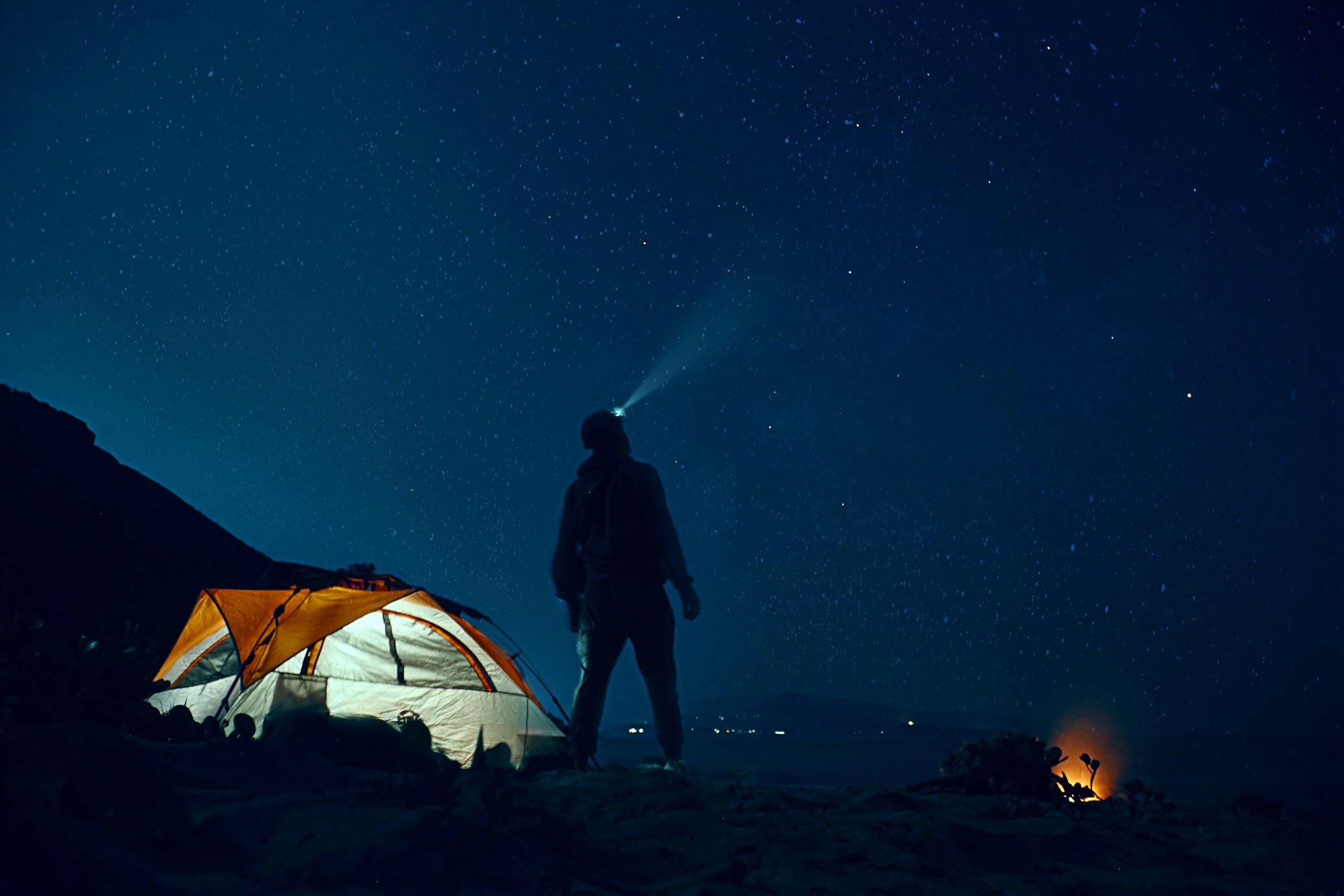
Stargazing Events and Festivals
Astronomical events such as meteor showers, lunar eclipses, and planetary alignments offer unique opportunities for stargazing. These events often bring together communities of astronomy enthusiasts, creating a shared experience of wonder and discovery. Keeping track of these events through astronomical calendars can help plan your stargazing adventures.
Around the world, numerous festivals and events celebrate the beauty of the night sky. These gatherings, ranging from small local events to large international festivals, offer workshops, talks, and guided stargazing sessions. They are great opportunities for learning, experiencing community, and sharing the excitement of astronomy with others.
Future of Stargazing Tourism
The future of stargazing tourism looks bright, with new locations emerging as popular destinations for astronomy enthusiasts. Advances in technology are making stargazing more accessible, with portable telescopes and sophisticated imaging equipment becoming more affordable and user-friendly.
As interest in astronomy grows, so does the need for sustainable tourism practices. This includes efforts to minimize light pollution and protect natural environments. The rise of eco-friendly and educational tourism is helping to ensure that future generations will continue to enjoy the wonders of the night sky.
Conservation Efforts in Stargazing Areas
Preserving dark skies is crucial for the future of astronomy and stargazing. Many national parks, observatories, and communities are actively involved in efforts to reduce light pollution and educate the public about its impact. These initiatives are essential in maintaining the natural beauty of the night sky and ensuring that stargazing remains a viable activity for future generations.
Conservation efforts often involve collaboration between local governments, environmental groups, and astronomy organizations. By promoting responsible lighting policies and advocating for dark sky reserves, these groups play a vital role in preserving the night sky for astronomical research and public enjoyment.