

Indonesia is one of the biggest coffee-producing countries in the world, with a rich and varied coffee culture that goes back to the 17th century. With its unique climate and geography, Indonesia produces some of the most sought-after coffee beans in the world. From the bold flavors of Sumatran coffee to the clean taste of Java beans, Indonesia offers a unique coffee experience. Let’s dive into Indonesia’s vibrant coffee culture and explore its best coffee-growing regions, traditional brewing methods, and must-visit coffee plantations.
Coffee-Growing Regions: From Sumatra’s Earthiness to Java’s Brightness
1. Sumatra: Home of Giling Basah and Bold Flavors
Sumatra, renowned for its coffee, produces earthy, full-bodied brews with low acidity and complex flavors in one of Indonesia’s most famous coffee-growing regions. Coffee from Aceh and Mandailing typically features chocolate, tobacco, and herbal notes, appealing to lovers of rich, intense brews.
The traditional Giling Basah (wet-hulling) processing method used in Sumatra gives the coffee its signature taste and unique, dark greenish hue. This process, where the coffee is hulled while still wet, creates less acidic beans but exceptionally bold and aromatic.
2. Java: A Legacy of Clean and Bright Coffee
Java, the island that gave its name to coffee, produces bright, clean-tasting beans with medium acidity and a smooth body. Coffee farms in Java have a long history, dating back to when the Dutch ruled the area. The island’s fertile volcanic soil helps give the coffee its distinct and enjoyable flavor. Java coffee offers a smooth, sweet, and slightly nutty taste, making it a great option for those who prefer a gentler cup of coffee.
Most of Java’s coffee is processed using the wet method, which enhances the beans’ brightness and clarity. Visitors to Java can explore plantations like the Blawan Estate or the historic Kayumas Plantation to experience firsthand the island’s coffee heritage.
3. Bali: A Fusion of Flavors and Sustainability
Bali’s coffee culture is relatively newer but no less impressive. Coffee from the Kintamani region stands out for its bright acidity and citrusy flavors, often infused with a hint of floral sweetness. Balinese coffee is usually grown in high-altitude areas. It is farmed using traditional Subak Abian, a unique irrigation and farming cooperative system emphasizing sustainability and community.
Kintamani coffee producers often sun-dry and process the beans using both washed and natural methods, resulting in a clean, refreshing taste. Visiting Bali’s coffee plantations lets you taste amazing coffee and experience the island’s cultural and agricultural traditions.
Read more Discover Nusa Penida: Bali’s Hidden Gem and Eco-Friendly Paradise.
Traditional Brewing Methods: Savoring Coffee the Indonesian Way
One of the best ways to experience Indonesian coffee culture is through traditional brewing methods passed down through generations. In many local markets and homes, coffee is still brewed using the Kopi Tubruk method. You boil coarsely ground coffee with water and sugar, creating a thick and robust brew.
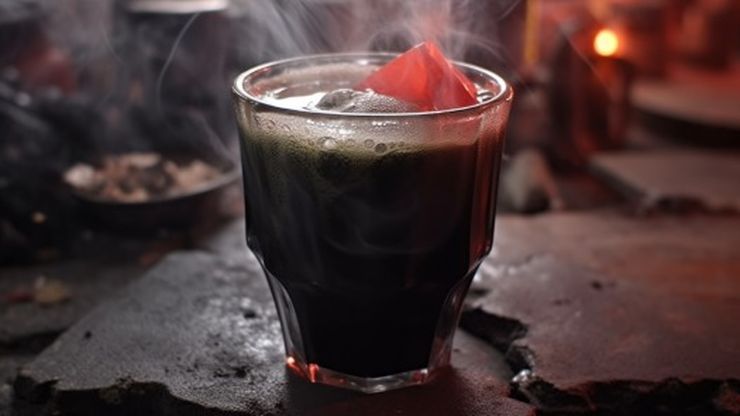

In the Toraja region of Sulawesi, locals often prepare coffee with special ceremonies, highlighting its importance in social and cultural gatherings. In Java, you can find Kopi Joss, a unique smoky coffee made by adding a burning piece of charcoal. This unconventional method neutralizes the coffee’s acidity and gives it a distinct flavor.
Must-Visit Coffee Plantations: Immersive Coffee Experiences
1. Mandailing Estate, Sumatra
A visit to the Mandailing Estate is a must for an authentic taste of Sumatran coffee. Here, you can learn about the Giling Basah process, explore lush coffee plantations, and taste freshly brewed cups while overlooking the breathtaking landscape.
2. Blawan Coffee Plantation, Java
Java’s Blawan Estate offers a deep dive into the island’s coffee history. Visitors can take guided tours to see traditional coffee production methods, explore the picturesque surroundings of the Ijen Plateau, and even try their hand at coffee picking.
3. Bali Pulina Agro Tourism, Bali
In Bali, the Pulina Agro Tourism plantation is a favorite spot for coffee enthusiasts. This eco-friendly plantation offers guided tours through coffee and spice gardens, tastings of the island’s famous Kopi Luwak (civet coffee), and other local brews.
A Coffee Lover’s Paradise
Indonesia’s coffee culture is as rich and diverse as the country itself. From Sumatra’s bold, earthy flavors to the bright and clean taste of Java, each region offers a unique experience for coffee lovers. Whether you’re exploring traditional brewing methods or visiting plantations in Bali’s lush highlands, Indonesia’s coffee culture is a journey worth savoring. Get ready to pack your bags and get your taste buds excited! You’re about to enjoy coffee in a new way in a wonderful place filled with delicious flavors and fascinating history.