
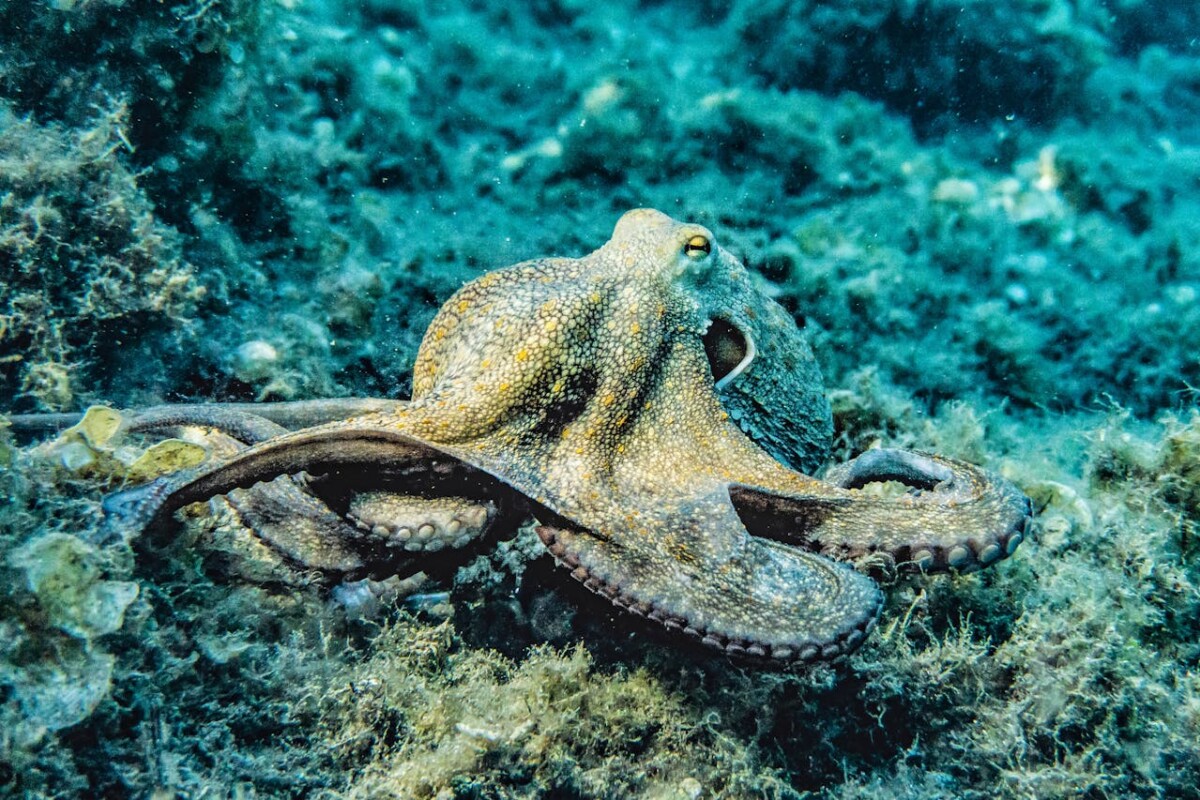
Indonesia is one of the most biologically diverse marine regions on the planet, home to coral reefs, sandy bays, mangroves, and thousands of species that thrive in its warm tropical waters. Along with colourful reef fish and gentle turtles, the archipelago also hosts some of the world’s most venomous marine animals, including the blue-ringed octopus. One of the ocean’s most diminutive yet most powerful creatures. For readers who want a deeper understanding, you can explore this comprehensive guide on the blue ring octopus, which explains its behaviour, habitat, and the science behind its potent neurotoxin.
The Blue-Ringed Octopus: Tiny but Powerful
Species & Identification
The blue-ringed octopus is one of the ocean’s most mesmerising yet easily overlooked creatures. Measuring only 12-20 cm when fully spread out, it typically goes unnoticed due to its sandy-yellow body that blends perfectly with rubble, shells, and rocky crevices. However, when threatened, its signature blue rings illuminate like neon warning signs, pulsing across its mantle and arms. These rings are not just decorative, they signal extreme danger.
Venom & Danger Level
Despite its size, the blue-ringed octopus carries one of the most potent toxins in nature, tetrodotoxin. This neurotoxin can cause muscle paralysis and respiratory failure, and there is no known antivenom. Fortunately, bites are exceptionally rare. The octopus does not aggressively defend itself and will only bite when handled or provoked. Immediate medical attention is crucial if a bite occurs, as symptoms can escalate rapidly. Recognising early signs, such as tingling, numbness, dizziness, or difficulty breathing, can be life-saving.
Behaviour Around Humans
The blue-ringed octopus is naturally shy. It hides in tide pools, rubble patches, and shallow sandy zones, including popular muck diving areas like Lembeh Strait, where trained guides from places such as Lembeh Resort help divers observe these creatures safely and respectfully. They do not chase or attack humans and typically reveal their rings only when stressed. Most encounters occur when snorkellers accidentally disturb rocks or shells, or when divers get too close while taking photos.
Other Venomous Marine Animals in Indonesia
Indonesia’s oceans host several venomous species, each with unique behaviours and levels of risk. Understanding these creatures helps visitors avoid accidents and appreciate the region’s remarkable biodiversity.
Stonefish
Stonefish are among the most dangerous fish in the world due to their exceptional camouflage and venomous dorsal spines. They resemble bumpy rocks or pieces of coral and often lie motionless on sandy bottoms, reef flats, or seagrass beds. When stepped on, they deliver venom that causes immediate, excruciating pain, swelling, and in severe cases, shock or tissue damage. While stonefish injuries are serious, they are preventable through simple caution. Wearing protective footwear in shallow areas and avoiding walking on the reef are effective measures.
Cone Snail
Cone snails are beautiful and deceptively dangerous. Their patterned shells often tempt beachcombers to pick them up, unaware that some species possess a harpoon-like proboscis capable of injecting paralysing venom. The geography cone snail, one of the most lethal species, can cause respiratory failure in humans. Most incidents occur because people handle live shells. Cone snails are naturally slow and non-aggressive; they rely on stealth and precision to catch prey, not humans.
Sea Krait (Banded Sea Snake)
The banded sea krait is highly venomous but remarkably gentle. Found around coral reefs, caves, and rocky coastlines, these snakes are often seen by divers as they gracefully glide through the water in search of small fish and eels. They surface every few minutes to breathe, making them common encounters on certain dive sites. Sea kraits rarely bite people unless grabbed or trapped. Their calm behaviour and slow movements make them one of the least threatening venomous species to humans in Indonesia.
Lionfish & Scorpionfish
Lionfish and scorpionfish belong to the same venomous family, though lionfish stand out with their striking fan-like fins while scorpionfish master the art of camouflage. Both species possess venomous spines that can cause painful stings. Lionfish often keep a polite distance from divers, while scorpionfish remain motionless on the reef, blending into their surroundings. Most injuries happen when people accidentally touch them or get too close while photographing. Though rarely life-threatening, stings can lead to swelling, infection, and lingering discomfort.
Box Jellyfish & Irukandji Jellyfish
Although more famously associated with northern Australia, certain species of box jellyfish and Irukandji jellyfish are found in Indonesia, particularly in shallow sandy bays and mangrove-fringed areas. Box jellyfish venom works rapidly, affecting the cardiovascular system, while Irukandji syndrome can cause severe pain, nausea, and systemic shock. Stings are rare but serious. During peak seasons, swimmers should follow local guidelines, avoid murky water, and stay aware of any warnings issued by coastal authorities.
Which Marine Animal Is the Most Dangerous?
Venom Potency
- Blue-ringed octopus: Possesses one of the most potent neurotoxins known.
- Box jellyfish: Delivers venom that can stop the heart within minutes.
- Cone snail: Certain species can cause fatal paralysis.
- Stonefish: Intense pain and potential tissue damage, but lower fatality rate.
Likelihood of Encounter
- Common: Stonefish, scorpionfish, lionfish
- Moderately common: Blue-ringed octopus, sea krait
- Seasonal or location-specific: Box jellyfish
- Rare unless handled: Cone snail
Behaviour Toward Humans
Most of these animals are defensive rather than aggressive. The blue-ringed octopus and sea krait avoid humans unless provoked. Stonefish injuries usually occur because they blend perfectly into the environment, and scorpionfish remain motionless on the reef.
Snorkellers vs. Divers
Snorkellers in shallow areas are more likely to encounter stonefish, jellyfish, and cone snails, while divers may come across sea kraits, lionfish, scorpionfish, and the occasional blue-ringed octopus. Professional muck diving sites, such as those explored with guides from Lembeh Resort, prioritise safe practices to reduce risk.
How to Stay Safe in Indonesian Waters
General Precautions
- Never touch marine animals, even if they appear harmless.
- Avoid picking up shells, rocks, or debris from the seabed.
- Wear aqua shoes when exploring tide pools or rocky areas.
- Maintain a respectful distance during underwater photography.
- Keep your buoyancy controlled to avoid accidental contact.
What To Do in Case of a Sting or Bite
- Stonefish & lionfish: Immerse the injured area in hot water to neutralise venom and reduce pain.
- Cone snail & blue-ringed octopus: Seek immediate medical help and monitor breathing closely.
- Jellyfish: Rinse with vinegar (for box jellyfish), then seek urgent medical care.
Staying calm and minimising movement can slow the spread of venom.
The Ecological Role of These Species
Despite their reputation, these creatures play essential roles in Indonesia’s marine ecosystems. They regulate populations of fish, crustaceans, and invertebrates, contributing to biological balance and reef health. Their presence also enhances biodiversity, supporting eco-tourism and scientific research. Understanding and respecting these species helps preserve Indonesia’s underwater world for future generations.
Conclusion
While the blue-ringed octopus is often highlighted for its potent venom, it is just one member of Indonesia’s lineup of venomous marine animals. Most of these species are peaceful and avoid human contact. Accidents typically occur due to misunderstanding or accidental proximity, not aggression. By staying informed, following safety practices, and appreciating the ecological importance of these animals, visitors can explore Indonesia’s oceans confidently and responsibly.