
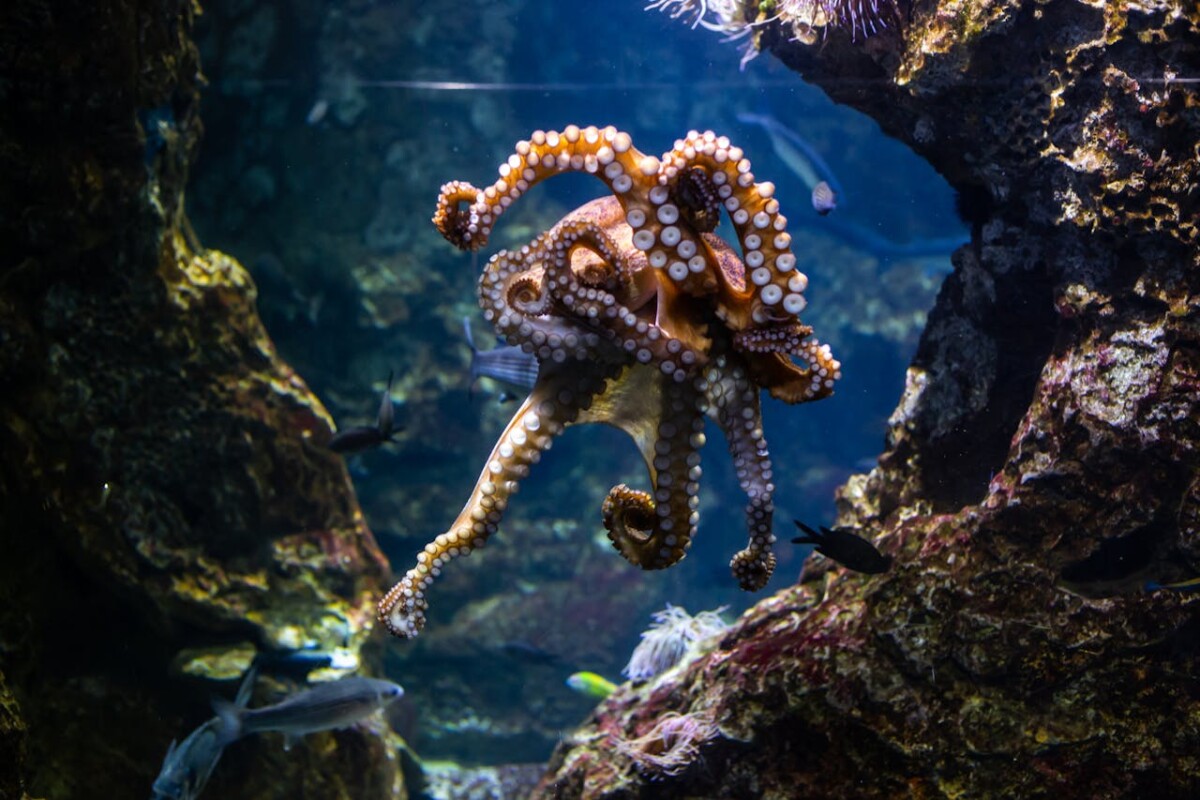
The blue ring octopus is one of Indonesia’s most captivating marine creatures. Small, shy, and instantly recognisable by the neon-blue rings that appear when it feels threatened, this tiny cephalopod has become a favourite among divers and underwater photographers. Indonesia’s warm seas, volcanic coastlines, and extraordinary marine diversity provide ideal habitats for this species, making the country one of the best places in the world to encounter it. This article explores the environments blue-ringed octopuses prefer and highlights the Indonesian regions where sightings are most frequent.
Why Indonesia Is a Hotspot for Blue Ring Octopus
Indonesia sits at the heart of the Coral Triangle, an area known for the highest concentration of marine life on Earth. With more than 17,000 islands, the country offers an incredible mix of shallow reefs, sandy slopes, and nutrient-rich muck environments. These conditions create everything a blue ring octopus needs: plentiful food, hidden shelters, and quiet pockets away from larger predators. Because of this diversity, sightings across Indonesia are more frequent than in many other parts of the world, especially in areas with volcanic seabeds and sheltered coastal zones.
Blue Ring Octopus Habitat Preferences
Although the blue ring octopus is striking when it reveals its glowing rings, it is naturally secretive and prefers to stay hidden. Knowing their preferred habitat increases the likelihood of encounters. They thrive in:
- Tide pools and shallow sandy flats
- Muck diving sites with volcanic sediment
- Rubble fields filled with rocks, shells, and discarded debris
- Shallow reefs up to around 20 metres deep
These octopuses often settle inside empty shells, beneath stones, or inside narrow crevices where they can ambush small prey and remain protected. Their visibility also varies with tide cycles, feeding times, and, in some cases, breeding patterns. Divers who understand this behaviour tend to have the most success spotting them.
Read also: Blue-Ringed Octopus vs Other Venomous Marine Animals in Indonesia
Most Common Blue Ring Octopus Locations in Indonesia
Bali
Bali is one of Indonesia’s most dependable regions for blue ring octopus encounters. The eastern and northeastern coasts—Amed, Seraya, Tulamben, and Padang Bai—are famous for muck diving, with dark volcanic sand that provides perfect camouflage for these animals. Local guides often know the precise spots where individuals hide among rubble or discarded coconut shells. Bali’s shallow tide pools also occasionally reveal blue ring octopus during low tide, making the island especially appealing for underwater macro photographers.
Lembeh Strait (North Sulawesi)
Lembeh Strait is widely recognised as the world’s top macro diving destination, and few places offer a higher chance of encountering blue ring octopus. Its seabed is covered in volcanic sediment, coral rubble, and small nooks where critters thrive, conditions that blue ring octopus love. Divers staying at Lembeh Resort frequently report sightings during slow, patient muck dives, especially in areas known for hosting rare and unusual marine species. Thanks to the expertise of local guides, chances of encounters here are significantly higher than in most other regions, making it a favourite among photographers and marine biologists. A stay at Lembeh Resort often includes guided dives that maximise opportunities to spot rare macro species, including the elusive blue ring octopus.
Raja Ampat
Raja Ampat’s reputation is rooted in its kaleidoscopic coral reefs, huge fish populations, and large pelagic species. While blue ring octopuses are not the main attraction here, sightings do occur. They are usually found in shallow reef flats, sandy channels, and calm bays where small crustaceans are abundant. The species is less common in Raja Ampat than in Bali or Lembeh due to the different underwater terrain. Yet, occasional encounters make it an exciting surprise for divers exploring the region.
Komodo National Park
Komodo is known for its dramatic landscapes and strong currents, but hidden among its quieter corners are several excellent habitats for the blue ring octopus. Sandy slopes, rubble areas, and protected bays offer the perfect blend of shelter and hunting ground. Many dive guides familiar with the park can point out areas where blue-ringed octopuses have been recently spotted, especially during slow, gentle dives focused on macro marine life.
Ambon
Ambon, particularly the famous Laha area, is another hotspot thanks to its incredible muck diving environment. The seafloor here is rich in nutrients and filled with the kind of debris, shells, and rubble that small critters inhabit. Blue ring octopus sightings in Ambon are regular, and the region has become well-known among macro enthusiasts for its consistent encounters with unusual and rare species.
Sumbawa and Alor
Sumbawa and Alor remain quieter, less commercial diving destinations, but they offer fantastic conditions for blue-ringed octopuses. Calm bays, volcanic sand, and thriving small marine life make these regions perfect environments for the species. Dive guides increasingly report sightings on sandy slopes and rubble areas, particularly in locations where few divers visit, giving the octopus undisturbed spaces to hunt and hide.
Tips for Spotting Blue Ring Octopus Safely
Finding a blue ring octopus requires patience and intent. These tips increase the chances of a successful encounter:
- Look for subtle movements among rubble, shells, or discarded objects.
- Explore tide pools during low tide, where they sometimes shelter.
- Move slowly and avoid disturbing the sediment.
- Always dive with guides familiar with macro habitats.
Being observant and calm is key, as these animals are masters of camouflage.
What to Do If You See a Blue Ring Octopus
Spotting a blue ring octopus is exciting, but safety should always come first. If you encounter one:
- Maintain at least one metre of distance.
- Avoid touching rocks or shells blindly.
- Do not shake or pick up shells, blue-ringed octopuses often hide inside them.
- Allow the animal to behave naturally without cornering it.
If the octopus begins flashing its blue rings, it means it feels threatened. Backing away is essential to avoid stressing the animal and for your own safety.
Conservation and Ethical Considerations
As underwater photography becomes more popular, blue ring octopuses are increasingly disturbed for dramatic photos or videos. Touching or manipulating them to make their rings appear is dangerous and unethical. Divers should prioritise the animal’s well-being by maintaining a respectful distance and avoiding any behaviour that alters its natural environment. Protecting Indonesia’s iconic macro species depends on responsible interactions and mindful diving practices.
Conclusion
Indonesia is one of the world’s most rewarding destinations for those hoping to encounter the blue ring octopus. From Bali’s volcanic muck sites to the rich dark sands of Lembeh Strait and the quieter slopes of Alor, opportunities are plentiful across the archipelago. With patience, care, and guidance from experienced dive professionals, spotting this extraordinary creature becomes a safe, memorable, and meaningful experience.